How to Choose a Coffee Machine in NZ: 2026 Beginner’s Guide to Every Type
How Kiwi Latte makes money: There are no affiliate links in this guide. We earn nothing if you buy through any link on this page. Read our affiliate disclosure.
Written by AB, an Auckland coffee lover. Prices include GST and come from NZ shops, checked between 21 and 25 October 2026.
Choosing a coffee machine in New Zealand comes down to three things. How much effort you want each morning, what you drink, and what you will spend over time.
By the end of this guide, you will know how to choose a coffee machine that suits your home and budget.
Quick answer: want the least effort? Buy a pod machine, from NZ$79. Want café-style espresso and happy to learn? Buy an espresso machine with a built-in grinder, from about NZ$550. Want fresh beans at one touch? Buy a bean-to-cup machine, from about NZ$650. Then check the running costs, your bench space and the milk system before you pay.
What Changed for Coffee Machine Buyers in 2026
Some prices have dropped. PriceSpy NZ showed the Nespresso Vertuo Pop falling over three months, to NZ$119.99 at Farmers on 25 October 2026. A De’Longhi Magnifica Start was NZ$648 at JB Hi-Fi.
Machines now help beginners more. The Ninja Luxe Café Premier weighs your coffee and suggests grind changes. Some newer machines, such as the Nespresso Vertuo Up, also make iced coffee.
Dolce Gusto machines have almost vanished from NZ shops. We could not find one at major retailers on 25 October 2026. Black Friday lands on 27 November 2026, so prices may move again.
How Do You Choose a Coffee Machine in NZ?
Choose by how much effort you want first, then your drinks and budget. Pod machines are easiest, espresso machines give most control, and bean-to-cup machines sit between.
Use this quick guide to find your type.
- You want coffee in under a minute with no mess: a pod machine.
- You drink flat whites and want to learn the craft: an espresso machine with a grinder, such as the Breville the Barista Express.
- You want fresh beans but no learning curve: a bean-to-cup coffee machine.
- You make a jug of black coffee for the house: a filter machine. See our brewing guides.
- You are on a tight budget: a compact espresso machine such as the De’Longhi Dedica Arte, from NZ$239.
What Types of Coffee Machines Are There?
NZ shops sell four main types of coffee machines: pod, espresso, bean-to-cup and filter. Each suits a different effort level and budget.
| Type | Effort | From (our NZ price checks) | Best for |
|---|---|---|---|
| Pod (capsule) | Lowest | NZ$79 to NZ$596 | Speed and no mess |
| Espresso, no grinder | Medium | NZ$239 | Tight budgets |
| Espresso, with grinder | Highest | NZ$547 to NZ$2,798 | Flat whites and control |
| Bean-to-cup | Low | NZ$648 to NZ$1,699 | Fresh beans at one touch |
| Filter (drip) | Low | Not checked | Big jugs of black coffee |
Pod Machines
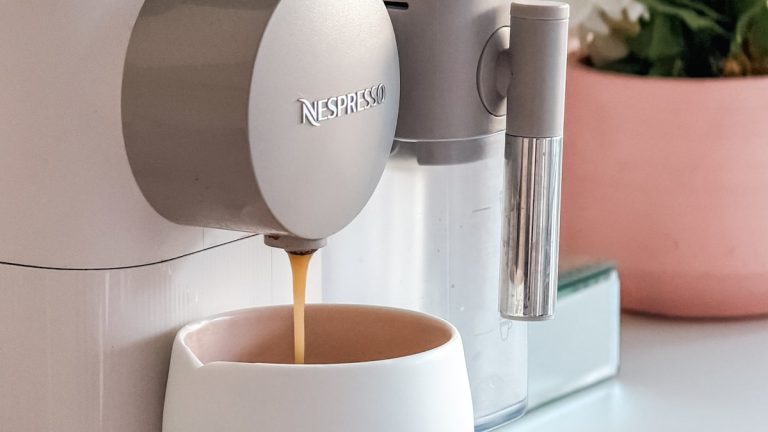
A pod machine brews from a sealed capsule. You drop it in, press a button and get coffee in under a minute.
Nespresso has two pod systems in NZ. Original pods are cheaper and come from many brands. Vertuo pods make bigger mugs but cost more and come from Nespresso.
Our picks are in the best coffee pod machines NZ guide.
Espresso Machines
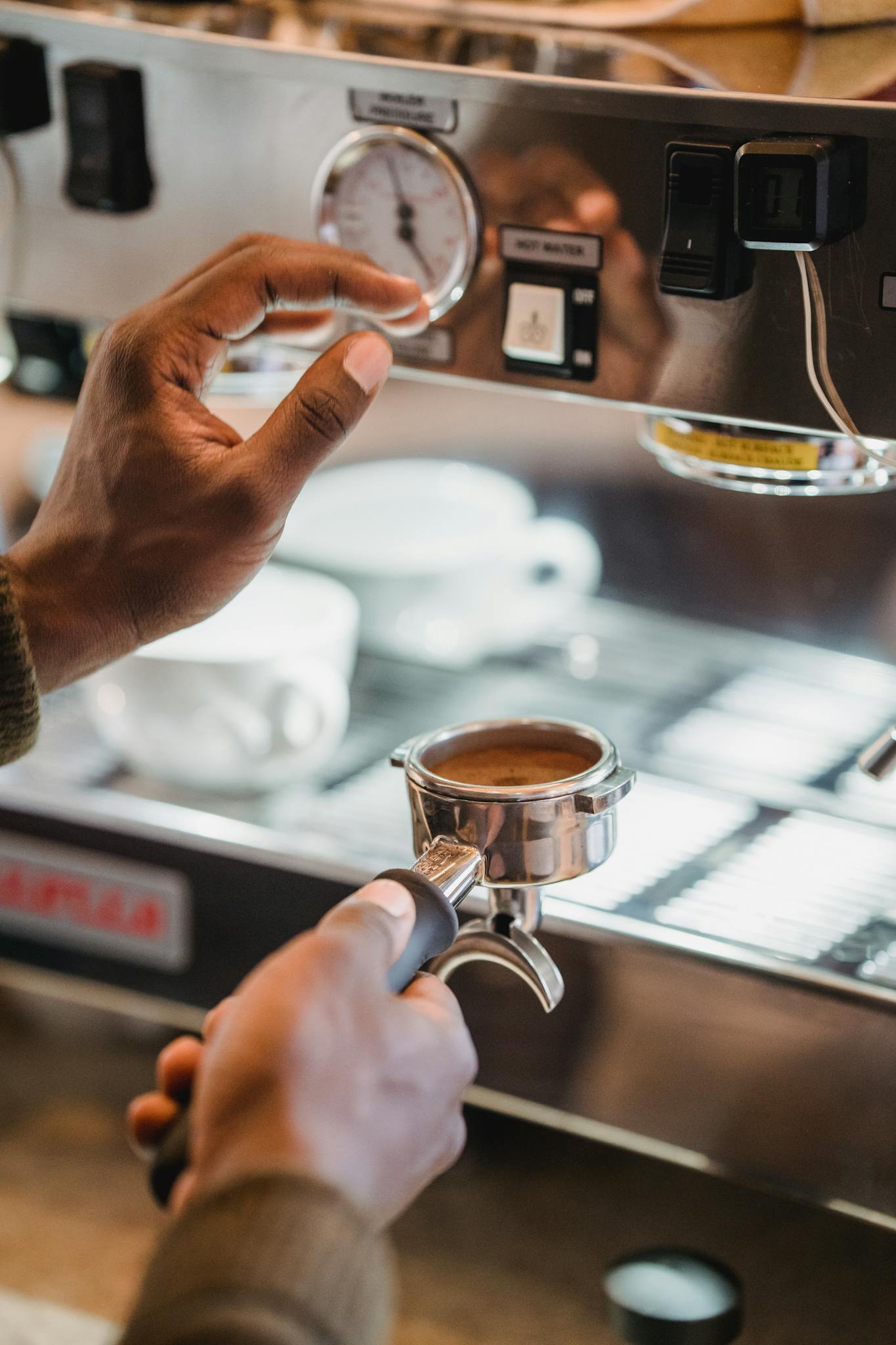
An espresso machine forces hot water through ground coffee. You grind the beans and steam the milk yourself.
With a built-in grinder: you get fresh grounds in one machine. The Breville the Barista Express was from NZ$648 and the De’Longhi La Specialista Arte from NZ$547 (21 October 2026).
Without a grinder: cheaper and smaller, but you need pre-ground coffee or a separate grinder. The De’Longhi Dedica Arte was from NZ$239 (21 October 2026).
If you are new to espresso, read our Ninja Luxe Café Premier review. It covers a machine that guides your grind.
Bean-to-Cup (Automatic) Machines
A bean-to-cup machine grinds and brews at the press of a button. Some also froth milk for you.
They cost more than pod machines but use fresh beans. Compare six in our best automatic coffee machines NZ guide.
Filter Machines
A filter machine drips hot water through ground coffee into a jug. It suits homes that drink several black coffees at once.
It does not make espresso or steam milk. For pour-over, French press and other methods, see our brewing hub.
Step 1: Set Your Budget in NZ$
Count the machine price and the cost of every cup. A cheap machine with dear pods can cost more over a year.
Here are the price ranges we found in NZ shops in October 2026:
- Under NZ$300: pod machines and compact espresso machines without a grinder.
- NZ$500 to NZ$1,000: espresso machines with a grinder and entry bean-to-cup machines.
- Over NZ$1,000: bean-to-cup machines with automatic milk, and premium espresso machines.
Running Costs: Pods vs Beans
Pods are simple to cost. Original-style pods were about 80c each. Vertuo pods were about NZ$1.40 to NZ$1.70 in Nespresso’s 2025 NZ prices.
Beans depend on the bag you buy. A double shot uses about 18 g, so a 1 kg bag makes about 55 doubles.
For example, beans at NZ$50 a kg work out at about 90c a double. Check the price of your favourite bag and do the same sum.
Step 2: Match the Machine to the Drinks You Make
If you drink flat whites or lattes, the milk system matters as much as the coffee.
Flat Whites and Lattes
Steam wand: you texture the milk yourself. It takes practice but gives the best control.
Automatic milk: a carafe, jug or self-steaming wand does it for you. The Magnifica Evo, the Philips 4400 and the Creatista Plus all work this way.
Milk frother: many pod bundles include an Aeroccino. It makes light froth, not true steamed milk.
Long Blacks and Espresso
If you drink black coffee, skip the milk features and spend on the grinder or the beans. A pod machine also makes a fine long black.
Step 3: Decide How Much Hands-On Effort You Want
Be honest about your mornings. An espresso machine with a grinder takes a few minutes per coffee, plus cleaning.
A pod machine takes under a minute. A bean-to-cup machine sits between, with a daily rinse and regular descaling.
Step 4: Measure Your Bench Space
Measure the width, the depth and the height under your top cupboards. Leave room above for the bean hopper or water tank lid.
Some sizes from our checks show the range:
- Nespresso Vertuo Pop: 13.6 cm wide, 42.6 cm deep, 25 cm tall.
- De’Longhi Magnifica Start: 24 cm wide, 44 cm deep, 35 cm tall.
- Ninja Luxe Café Premier: 32.9 cm wide, 34 cm deep, 37 cm tall.
Step 5: Know Where to Buy and Your Rights in NZ
Buy from a NZ shop if you can. The Consumer Guarantees Act then covers you if the machine fails too soon.
Where to Buy Coffee Machines in NZ
In our October 2026 price checks, many NZ shops sold these machines. They included JB Hi-Fi, Noel Leeming, Harvey Norman, Briscoes, PB Tech, Heathcotes, Farmers and Bunnings. Breville, De’Longhi and Ninja also sell through their NZ online stores.
Prices change week to week, so compare at least two shops or check PriceSpy NZ.
Warranty and the Consumer Guarantees Act
Most machines we checked came with a 24-month warranty from the NZ shop. The Consumer Guarantees Act can cover a fault after that, if the machine has not lasted a reasonable time.
Buying from an overseas website can make warranty claims harder.
Common Mistakes When Buying a Coffee Machine
Mistake 1: buying an espresso machine without a grinder, then using old pre-ground coffee. Fresh grounds make a bigger difference than the machine.
Mistake 2: ignoring pod costs. Two Vertuo pods a day at NZ$1.40 is about NZ$1,022 a year.
Mistake 3: forgetting the height under your cupboards. Some machines stand 37 cm tall before you lift the lid.
Mistake 4: buying without checking sales. Prices can move a lot around Black Friday and Boxing Day, so check before you pay.
How We Researched This Guide
We checked NZ shop prices and specs between 21 and 25 October 2026. We used PriceSpy NZ, shop websites and brand NZ pages.
We also read independent reviews from TechRadar, Tom’s Guide, Trusted Reviews and others. Read how we review.
Frequently Asked Questions
How do I choose an espresso machine?
Decide whether you want a built-in grinder first. Then check the steam wand, the size and the NZ price. Beginners do best with a machine that guides the grind and dose.
What coffee do you buy for a coffee machine?
Buy whole beans with a recent roast date for espresso and bean-to-cup machines. Pod machines need pods made for that system, such as Nespresso Original or Vertuo.
Which is better, a De’Longhi or a Breville coffee machine?
Neither brand wins outright. Both make good machines at many prices. Compare the model, the price and the warranty from the NZ shop.
What is the best coffee machine for home use in NZ?
For most homes, our top pick is the Breville the Barista Express, from NZ$648 when we checked on 21 October 2026. See all seven picks in our best coffee machines NZ guide.
Is a bean-to-cup machine worth it in New Zealand?
Yes, if you want fresh beans without learning espresso. A NZ$648 machine costs about the same as 130 café flat whites at NZ$5 each.
How to Choose a Coffee Machine: Our Verdict
The easiest way to choose a coffee machine is to start with effort. Pods for speed, espresso for control, bean-to-cup for fresh beans at one touch.
Then check the running costs, the milk system and your bench space. Buy from a NZ shop, and watch for Black Friday prices.
To compare machines, see our best coffee machines NZ guide, or browse the coffee machines hub.